
Lone Worker Safety Devices and Apps
.svg)

Trusted by organisations across the UK for over 22 years


















%20Limited.avif)











Why choose SoloProtect?
Why Organisations Choose SoloProtect
Why organisations choose SoloProtect for lone worker safety they can rely on.
For over 22 years, organisations have chosen SoloProtect to protect lone workers, meet H&S responsibilities, and ensure incidents are handled quickly and professionally.
When an alarm is raised, our trained operators listen to incidents within 3 seconds and initiate an emergency response in just over 41 seconds.
Our end-to-end lone worker solutions combine devices, 24/7 monitoring, and real-time data — giving organisations confidence that staff are supported and risks are managed.
24/7/365
Lone Worker Safety Solutions
Compare discreet lone worker alarm devices and safety apps designed to suit different risk profiles, job roles, and team sizes. Whether you’re protecting a single worker or rolling out across multiple sites, we’ll help you find the right fit — without unnecessary complexity.
.avif)
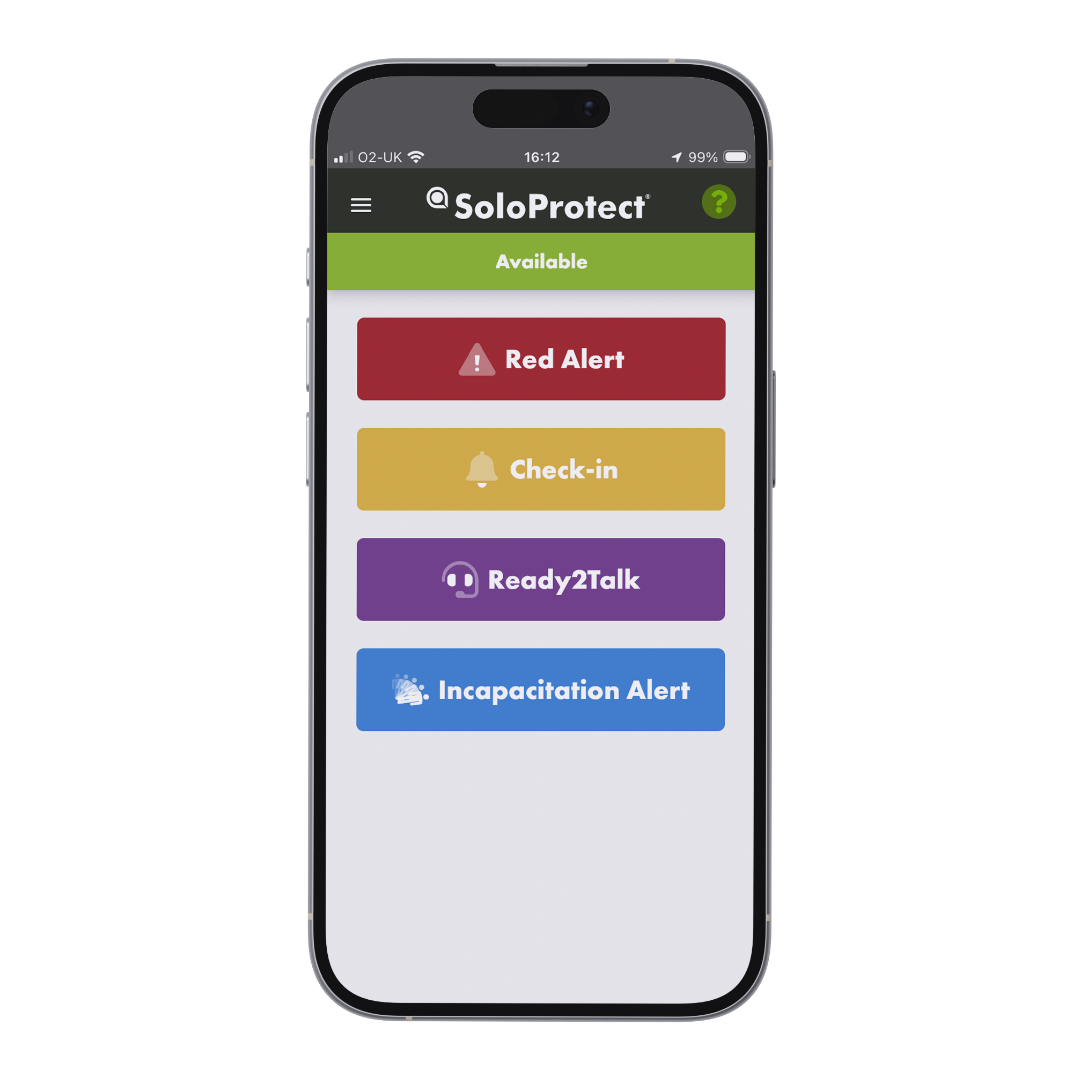
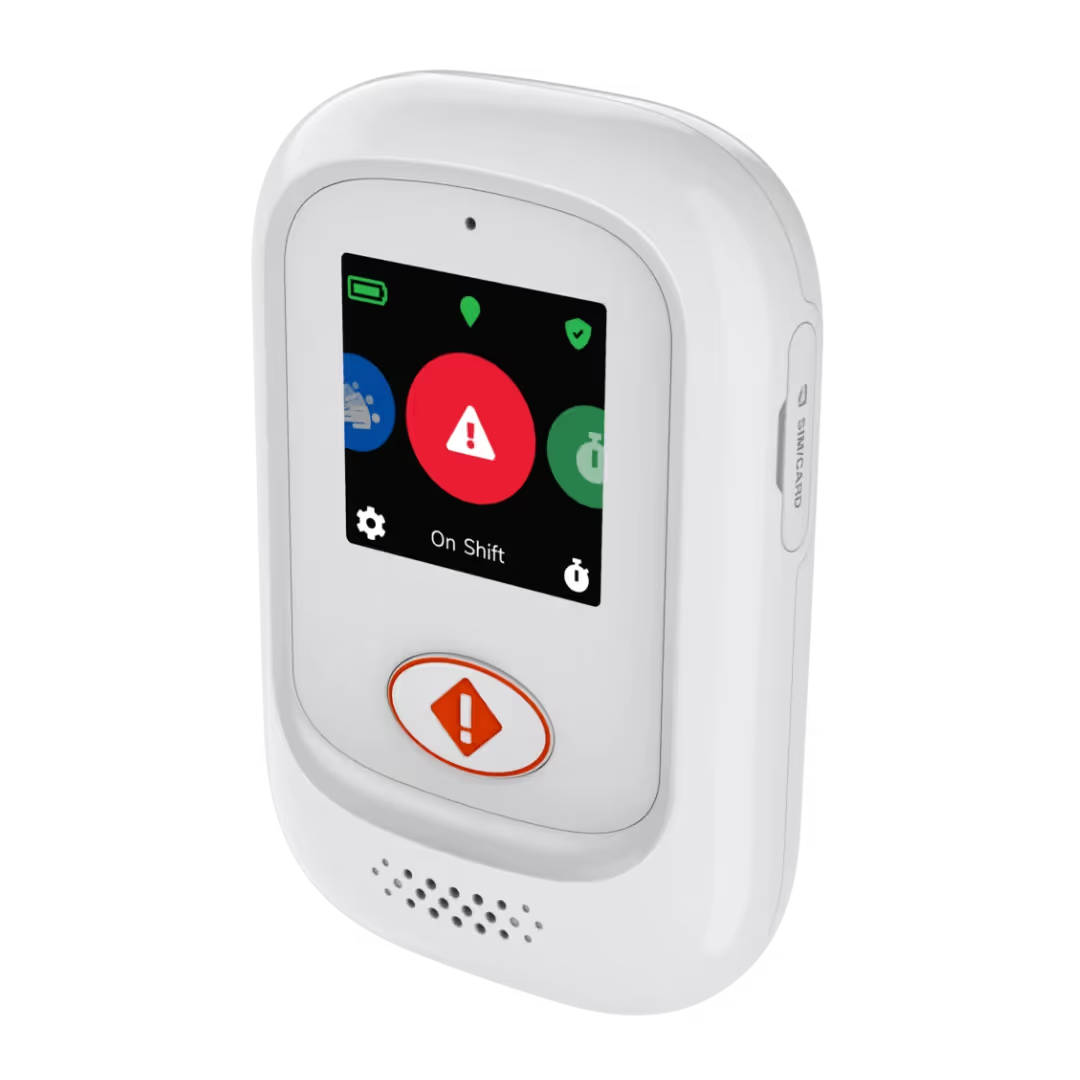
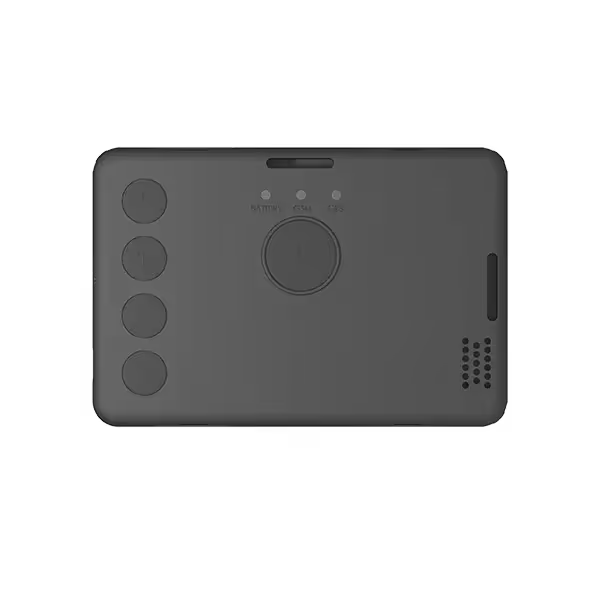
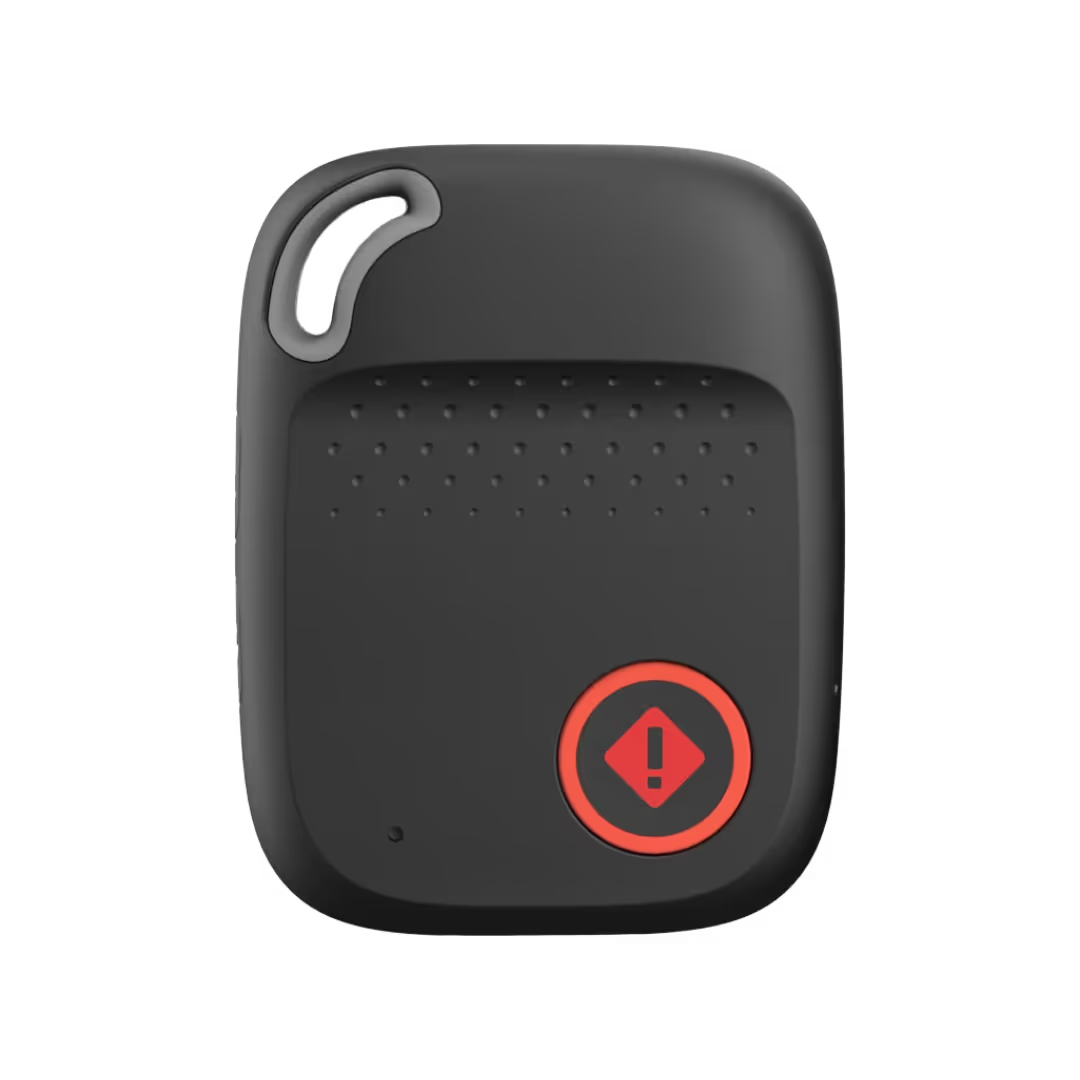
How Our Lone Worker Emergency Response Protects Your Staff

Alert
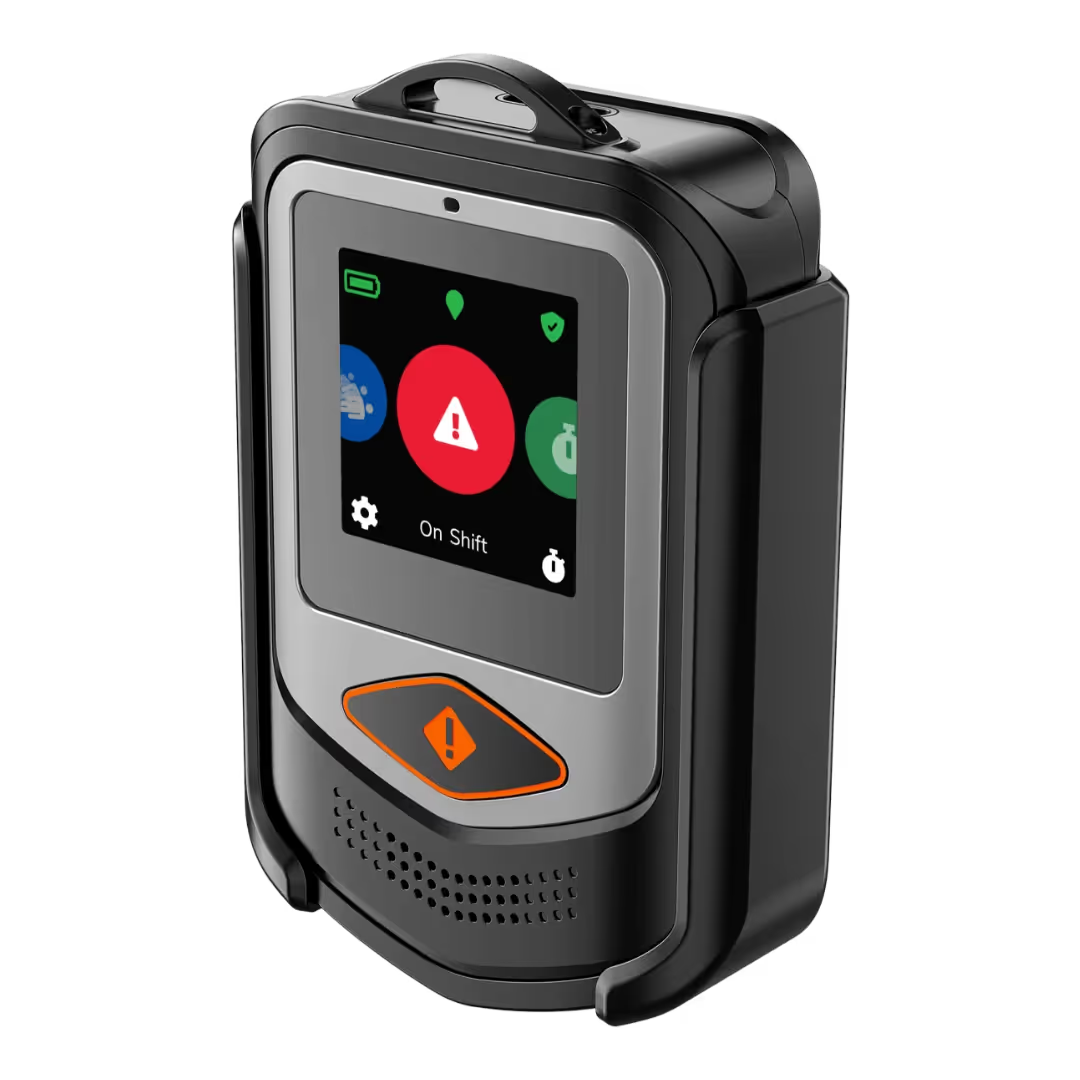
The worker activates the Red Alert function- a personal lone worker panic alarm on their device or app.

Connect
Within moments the lone worker is connected to an operator in our Alarm Receiving Centre.

Assess
The highly trained operator will quickly locate the worker and risk assess the situation.
.svg)
Protect
Emergency services are dispatched through our lone worker alarm system, or a manager responds to the incident.
Alert
The worker activates the Red Alert function- a personal lone worker panic alarm on their device or app.
Connect
Within moments the lone worker is connected to an operator in our Alarm Receiving Centre.
Assess
The highly trained operator will quickly locate the worker and risk assess the situation.
Protect
Emergency services are dispatched through our lone worker alarm system, or a manager responds to the incident.
Compare Our Top Lone Worker Devices
Lone Worker Safety Features
Every SoloProtect solution includes core safety features designed to reduce risk, support lone workers, and give organisations confidence that incidents will be handled correctly.

.svg)
.svg)

.svg)
.svg)
.svg)
.svg)
.svg)

“SoloProtect addressed our concerns perfectly. User-friendly, discreet devices with two-way communication and fall detection provide peace of mind. Our staff feels empowered knowing immediate assistance is available.”
Read the case study.avif)

"The SoloProtect ID has helped our staff feel safer - it gives them the confidence to know that they could quickly raise an alarm if their safety was ever compromised."
Read the case study
Lone Worker Safety Solutions that Fit Your Sector’s Risks
Frequently Asked Questions

How does SoloProtect improve lone worker safety?
SoloProtect improves lone worker safety by ensuring incidents are identified, assessed, and responded to quickly and consistently. Our solutions combine discreet devices or mobile apps with 24/7 monitoring from a BS 8484-accredited Monitoring Centre, helping organisations reduce risk and meet duty-of-care obligations.
- 24/7 professional monitoring for emergency escalation
- Red Alert panic buttons for rapid emergency response
- Man Down Alarm to automatically detect falls or incapacitation
- GPS tracking for fast location-based response
- Check-In and Ready2Talk® to support high-risk situations
Whether you’re protecting a small team or a larger workforce, SoloProtect provides reliable, compliant lone worker devices or lone worker safety apps, that supports both staff wellbeing and organisational accountability.
What is lone working?
Lone working refers to any role where an employee works without close or direct supervision, either on their own premises, in the community, or in isolated or out-of-hours environments.
This can include healthcare professionals, housing officers, retail staff, construction workers, logistics drivers, and local government employees. Because lone workers do not have immediate access to help, employers must take additional steps to manage risk and provide effective emergency communication.
A dedicated lone worker safety solution helps organisations protect staff, respond quickly to incidents, and demonstrate compliance with health and safety responsibilities.
What are the legal requirements for protecting lone workers in the UK?
UK employers have a legal duty to protect lone workers under the Health and Safety at Work Act 1974 and the Management of Health and Safety at Work Regulations 1999.
This includes carrying out appropriate risk assessments, providing suitable training, and ensuring employees can raise the alarm and receive help in an emergency.
SoloProtect supports these requirements through monitored alarms, real-time location data, and documented response processes — helping organisations demonstrate proactive lone worker compliance and reduce risk exposure.
What is a lone worker safety system, and when should it be used?
A lone worker safety system combines a personal safety device or mobile app with monitoring and response processes designed to protect employees who work alone.
These systems are commonly used in roles involving public interaction, physical work, remote locations, or out-of-hours activity. Typical features include panic alarms, Man Down detection, GPS tracking, and scheduled check-ins.
Organisations use lone worker safety systems to reduce risk, improve incident response, and provide assurance that staff are supported if something goes wrong.
How do I choose the right protection system for my lone workers?
Choosing the right lone worker protection system depends on your organisation’s risk profile, working environments, and how your staff operate day to day.
Consider factors such as whether employees work indoors or outdoors, alone or in public-facing roles, and in areas with limited signal. It’s also important to think about ease of use, scalability, and monitoring support.
SoloProtect offers a range of devices and apps — from discreet ID badge alarms and mobile apps to robust wearable devices — allowing organisations to select a solution that fits their needs without unnecessary complexity. Our team can help assess requirements and recommend the most appropriate option.
What are the risks associated with lone working?
Lone workers face increased risk because help is not immediately available. Common risks include physical assault, slips, trips, falls, medical incidents, and environmental hazards such as poor lighting or severe weather.
Without an effective alerting system, these situations can escalate quickly. A monitored lone worker alert system enables employees to raise an alarm quickly and ensures incidents are handled appropriately — helping organisations protect staff and fulfil their duty of care.
.svg)

.avif)


