Team Safety Assessment: Evaluate and Improve Workplace Safety
Would your team benefit from a personal safety solution? Download our quick Team Safety Assessment to find out.

Keeping employees safe starts with understanding the risks they face every day. A team safety assessment can help identify workplace hazards, evaluate existing safety procedures and uncover areas where additional controls may be needed.
This is especially important for employees who work alone, travel between locations or spend part of their workday without coworkers nearby.
Our Team Safety Assessment provides a practical way to review your current approach to workplace safety, identify potential gaps and consider where additional measures could help protect your staff.
Why Conduct a Team Safety Assessment?
Workplace risks can change as job responsibilities, locations, schedules and working conditions change. Regular workplace safety assessments give organizations an opportunity to review whether their existing procedures continue to address the risks employees face.
A safety assessment can help you:
- Identify workplace hazards and potential risks
- Understand which employees may be exposed
- Review existing safety procedures and controls
- Identify gaps in your workplace safety program
- Evaluate risks associated with employees working alone
- Determine where additional safety measures may be appropriate
- Support a more proactive approach to employee safety
A comprehensive assessment should consider both routine tasks and unexpected situations, including what happens when an employee needs assistance and no coworker is nearby.
What Should a Workplace Safety Assessment Include?
Every organization has different risks, but a thorough workplace risk assessment should consider several key areas.
Work Environment
Consider where employees work and the conditions they may encounter, including offices, customer locations, job sites, vehicles, remote areas and other unfamiliar environments.
Job Responsibilities
Review the tasks employees perform and identify potential hazards associated with equipment, materials, travel, working at height, physical activity or other job-specific responsibilities.
Employees Who Work Alone
Identify employees who regularly or occasionally work without direct access to coworkers. Consider when and where they work alone and what could happen if they experience an emergency.
Existing Safety Controls
Review current policies, training, PPE, communication procedures, check-in processes and emergency response plans. Determine whether these controls adequately address the identified risks.
Emergency Response
Consider how employees can get help if something goes wrong. This is particularly important for staff who work alone and may not have someone nearby to respond.
Don't Overlook Employees Who Work Alone
Employees who work alone can face risks that are different from those working as part of a team.
A lone worker may experience a fall, medical emergency, workplace violence, equipment incident or another unexpected situation without someone nearby to provide assistance.
Your safety assessment should consider questions such as:
- Which employees work alone?
- Where and when do they work alone?
- What hazards could they encounter?
- How do they communicate with their team?
- What happens if they miss a scheduled check-in?
- How can they call for help during an emergency?
- What happens if they are unable to use their phone?
- Who is responsible for responding to an emergency?
Including these questions in your lone worker risk assessment can help identify gaps in your current safety procedures.
Strengthen Your Employee Safety Program
Lone Working Policies, training and established safety procedures are important parts of a workplace safety program. However, organizations may also consider technology that provides an additional layer of protection for employees who work alone.
A lone worker safety solution can provide features such as emergency alerts, two-way communication, check-ins, man-down detection, monitoring and access to emergency assistance.
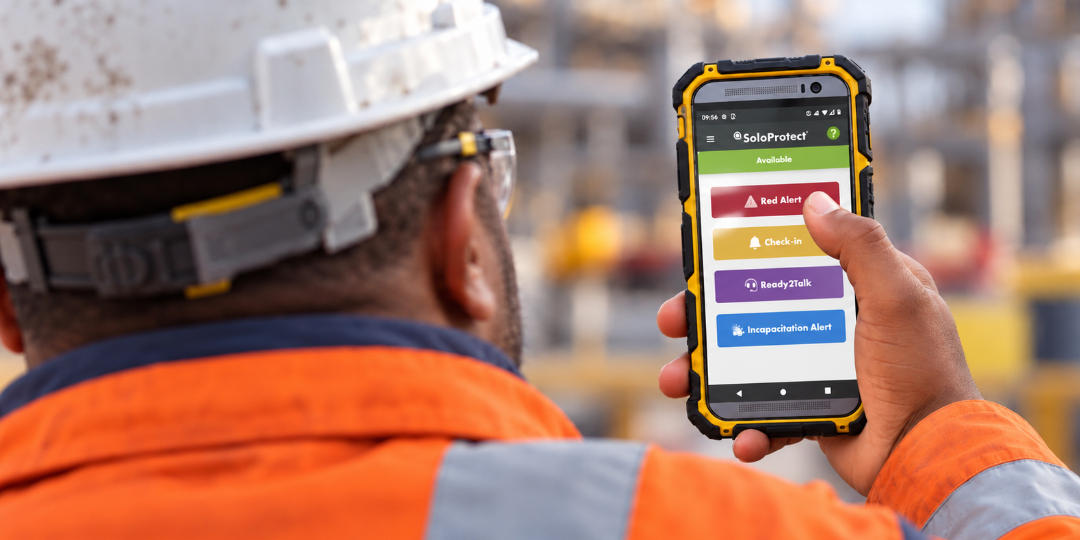
SoloProtect combines safety technology with a 24/7 Monitoring Center to help support employees who work alone across a range of industries.
Features include Red Alert, Man Down, Check-In, Monitoring Timer and Ready2Talk helping employees access assistance when they need it.
Download the Team Safety Assessment
Enter your details to access the assessment and start evaluating your workplace safety practices.



A copy of the document will be sent to your email address. If you have any questions, then please contact us. Why not take a look at our other resources below.
Frequently Asked Questions
Frequently Asked Questions
What is a team safety assessment?
A team safety assessment is a structured review of workplace hazards, employee responsibilities, existing safety procedures and potential gaps. It helps organizations identify risks and determine whether additional safety controls may be needed.

Why is a workplace safety assessment important?
A workplace safety assessment can help organizations identify hazards, evaluate existing controls and understand where employees may be exposed to risk. Regular assessments can also help organizations keep their safety procedures aligned with changing work environments.
How do you assess employees who work alone?
Start by identifying when and where employees work alone, the hazards they may encounter and how they currently communicate with their teams. Assess what happens if an employee becomes injured, incapacitated or otherwise needs assistance while working alone.
What is a lone worker risk assessment?
A lone worker risk assessment focuses specifically on the hazards and risks associated with working without direct access to coworkers. It should consider the employee's tasks, location, working hours, communication methods and emergency response procedures.
Can technology help protect employees who work alone?
Yes. Lone worker safety technology can provide additional safeguards such as emergency alerts, check-ins, man-down detection, two-way communication and access to monitoring services. Technology should complement, rather than replace, appropriate workplace safety procedures and training.