Free Lone Worker Risk Assessment Template
Identify workplace hazards, evaluate risks, and put practical safety measures in place to help protect employees who work alone.

Why Do You Need a Lone Worker Risk Assessment?
Employees who work alone or without direct supervision can face unique workplace safety risks. Whether they're visiting customers, working in remote locations, traveling between job sites, or working after hours, it's important to understand the hazards they may encounter and how to respond if something goes wrong.
A lone worker risk assessment helps employers identify potential hazards, evaluate the level of risk, and establish appropriate safety measures to protect employees.
In the United States, employers have responsibilities under the Occupational Safety and Health Act to provide a workplace free from recognized hazards that are causing or likely to cause death or serious physical harm. While there is no single, comprehensive federal OSHA standard specifically addressing all lone worker situations, certain OSHA standards restrict working alone in specific hazardous environments.
A risk assessment is a practical way to identify and address potential risks before an incident occurs.
This includes employees such as:
- Healthcare workers and home health professionals
- Social workers and community outreach employees
- Construction workers and field technicians
- Manufacturing and industrial employees
- Utility workers and maintenance personnel
- Delivery drivers and transportation employees
- Retail and hospitality employees working alone
- Government employees and public-facing personnel
- Remote employees and traveling sales representatives
A well-structured lone worker risk assessment helps your organization:
- Identify hazards associated with working alone
- Evaluate the likelihood and potential severity of incidents
- Establish appropriate safety procedures and control measures
- Improve emergency communication and response procedures
- Support OSHA compliance and workplace safety initiatives
- Create a consistent approach to protecting employees across different roles and locations
What Are the Steps in a Lone Worker Risk Assessment?
Every workplace has different safety requirements. However, a consistent assessment process can help organizations identify risks and determine the appropriate measures to protect employees.
Here are six steps to consider:
1. Identify lone working activities
Determine which employees work alone, where they work, when they work, and what tasks they perform. Consider employees who may be working without direct supervision, even if they're part of a larger team.
2. Identify potential hazards
Consider the hazards employees may encounter while working alone, including physical, environmental, biological, chemical, ergonomic, and psychosocial risks.
3. Evaluate the level of risk
Assess how likely each hazard is to result in an incident and how serious the potential consequences could be. Consider whether an employee could get help quickly if an incident occurred.
4. Establish control measures
Determine what steps can reduce or eliminate identified risks. These may include employee training, safe work procedures, regular check-ins, improved communication, emergency response plans, and personal safety devices.
5. Document your findings
Record identified hazards, risk levels, existing safety measures, recommended actions, and the employees or departments responsible for implementing them.
6. Review and update the assessment
Review assessments periodically and whenever job responsibilities, work environments, or procedures change. Reassess following an incident, near miss, or the identification of a new hazard.
Our free Lone Worker Risk Assessment Template provides a structured framework to help you work through these steps and establish a more consistent approach to employee safety.
What's Included in the Free Lone Worker Risk Assessment Template?
Our editable risk assessment template provides a practical starting point for evaluating the risks associated with working alone.
It includes:
- Sections to describe the job, task, or activity
- Hazard identification prompts
- Risk evaluation and scoring
- Existing and recommended safety measures
- Responsible parties and action items
- Review dates and assessment updates
- Customizable sections for different lone worker roles
The template can be adapted to different industries, job responsibilities, and working environments.
What Types of Lone Worker Risks Should You Consider?
The risks employees face depend on their responsibilities, work environment, and level of supervision. When conducting an assessment, consider both the hazards associated with the work itself and the additional challenges of working alone.
Examples include:
- Physical safety hazards: Slips, trips, falls, machinery, and equipment-related injuries.
- Environmental hazards: Poor lighting, extreme temperatures, remote locations, and hazardous weather.
- Biological hazards: Exposure to infectious diseases, bacteria, and other biological materials.
- Chemical hazards: Exposure to cleaning agents, industrial chemicals, fumes, and hazardous substances.
- Ergonomic hazards: Repetitive movements, heavy lifting, and improper workstation setups.
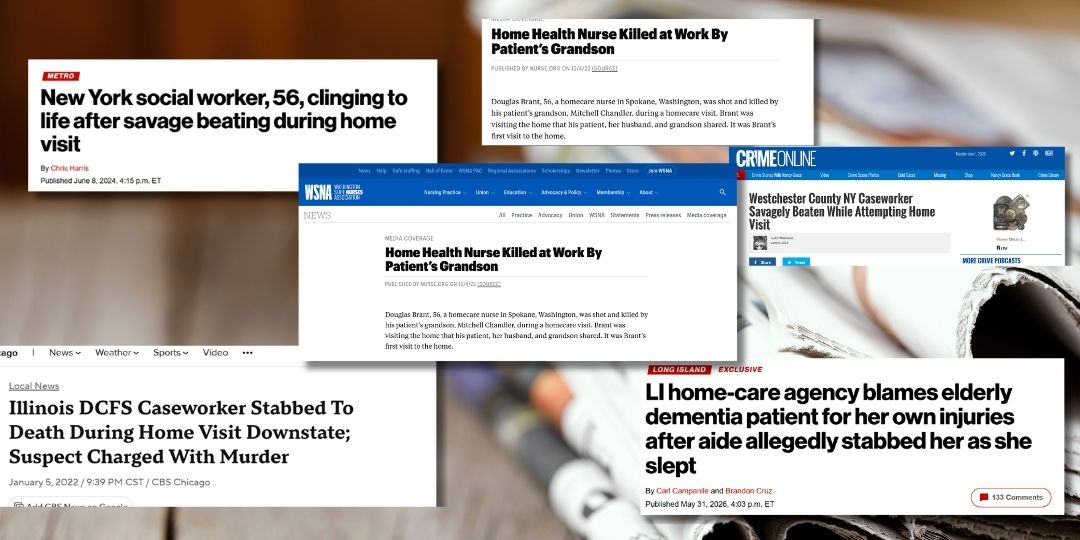
- Workplace violence: Verbal threats, harassment, physical assaults, and interactions with aggressive individuals.
- Communication and emergency response: Limited cell service, delayed assistance, or difficulty contacting emergency services when an employee is injured or in distress.
- Medical emergencies: Sudden illness, incapacitation, or injuries that prevent an employee from calling for help.
It's important to consider what could happen if an employee experiences one of these situations without someone nearby to assist.
Download the Free Lone Worker Risk Assessment Template
A proactive approach to lone worker safety starts with understanding the risks your employees face.
Our free, editable Lone Worker Risk Assessment Template can help your organization:
- Establish a consistent approach to assessing lone worker risks
- Identify potential hazards across different roles and work environments
- Evaluate existing safety procedures and identify gaps
- Develop practical control measures and emergency response procedures
- Support a stronger workplace safety culture
Complete the form and we'll send the free template directly to your inbox.



A copy of the document will be sent to your email address. If you have any questions, then please contact us. Why not take a look at our other resources below.